
Google Ads
Responds to the words people use when they are already looking for a solution.
04 / Service detail
What this work is for
For businesses that want their media budget connected to a clear offer and a useful business action. More impressions or cheaper clicks do not help if the people arriving are not a good fit or cannot see why they should enquire. We establish what qualified demand would look like before choosing a campaign structure.
Google Ads can respond to active search intent, while Meta Ads can introduce and develop demand among relevant audiences. Each needs its own message and test, but neither operates in isolation: the creative, landing page, enquiry path, and measurement must support the same promise. We review response quality alongside platform metrics to understand where the next improvement should happen.
Talk about this serviceThe thinking behind the work
Advertising can create activity very quickly, which is why the objective needs to be clear before money is spent. We define the offer, the audience or search intent, the action a person should take, and how the destination page will support that action. A click is only one step in the journey. The message in the ad, the proof on the page, and the way an enquiry is measured need to work together.
Search and social advertising play different roles. Search can respond to people expressing an active need; social can introduce an offer, explain it, and reconnect with people who have shown interest. We choose the channel according to the job, set a focused test, and review the quality of responses as well as platform metrics. Changes to budget, targeting, creative, or landing pages should follow evidence rather than a vague desire for more reach.
The first review is not a verdict on a single number. A campaign can attract inexpensive clicks that never become relevant enquiries, while a smaller audience may produce better conversations. We agree what a useful response looks like, check whether tracking reflects that action, and read the results alongside what the business sees after the enquiry arrives. That context makes optimisation more honest and helps reveal whether the next change belongs in the ad, the offer, or the website.
Two kinds of demand
Google Ads captures active intent. Meta Ads develops attention among defined audiences. We keep the distinction clear while connecting both to offer, creative, landing page, and measurement.
Responds to the words people use when they are already looking for a solution.
Introduces an offer to audiences selected by context, interests, behaviours, and previous interaction.
Connects spend to enquiries and useful actions, not just platform activity.
Inside the discipline
Search-intent campaigns built around the words people use when they are already looking for a useful answer.
Google Ads places a precise offer in front of people expressing an active need through search.
Broad targeting and vague landing pages spend budget on attention that never had a clear route to action.
Map high-intent searches and commercial priorities. Build focused campaigns, messages, extensions, and landing destinations. Use conversion quality and search-term evidence to refine coverage.
We group searches by intent and match each group to a relevant message and destination. That involves deciding which enquiries the business wants, which terms are too broad, what the page must answer, and how meaningful actions will be recorded. Search-term and conversion reviews then help refine coverage, rather than treating every click as equally valuable.
Keyword and intent map, Campaign architecture, Ad copy and extensions, Landing-page recommendations, Conversion tracking, Search-term optimisation.
People are already searching for the service and you need qualified demand quickly and transparently.
Google Ads performs better when Branding clarifies the promise and Web Design gives the click a convincing destination.
Audience-led campaigns across Meta platforms, designed to introduce, educate, and retarget the people most likely to care.
Meta Ads creates demand through audience, creative, context, and repeated exposure rather than a typed search query.
Without a strong creative angle and audience logic, paid social becomes interruption without memory or useful learning.
Define audience hypotheses and the role of each campaign stage. Develop native creative variations that earn attention quickly. Retarget meaningful engagement and compare creative signals with downstream action.
A social campaign needs a reason for someone to stop, understand the offer, and remember it later. We develop creative variations for the audience and stage of the journey, connect them to an appropriate destination, and agree what response would count as progress. Testing helps distinguish a promising message from attention that never turns into useful action.
Audience structure, Campaign and funnel plan, Creative concepts, Format adaptations, Retargeting logic, Learning reports.
The audience needs to discover, understand, or remember the offer before they are ready to enquire.
Meta Ads depends on Creative Direction and Content Creation to produce work people want to stop for.
How the system takes shape
Clarify the offer, demand, margin, geography, and action that makes a lead valuable.
Build campaign, audience, keyword, creative, landing-page, and tracking architecture.
Release a focused test with clear guardrails and a defined learning question.
Review quality, cost, search terms, creative, and conversion signals to improve the next decision.
What this gives you
Two focused examples of this work in practice.
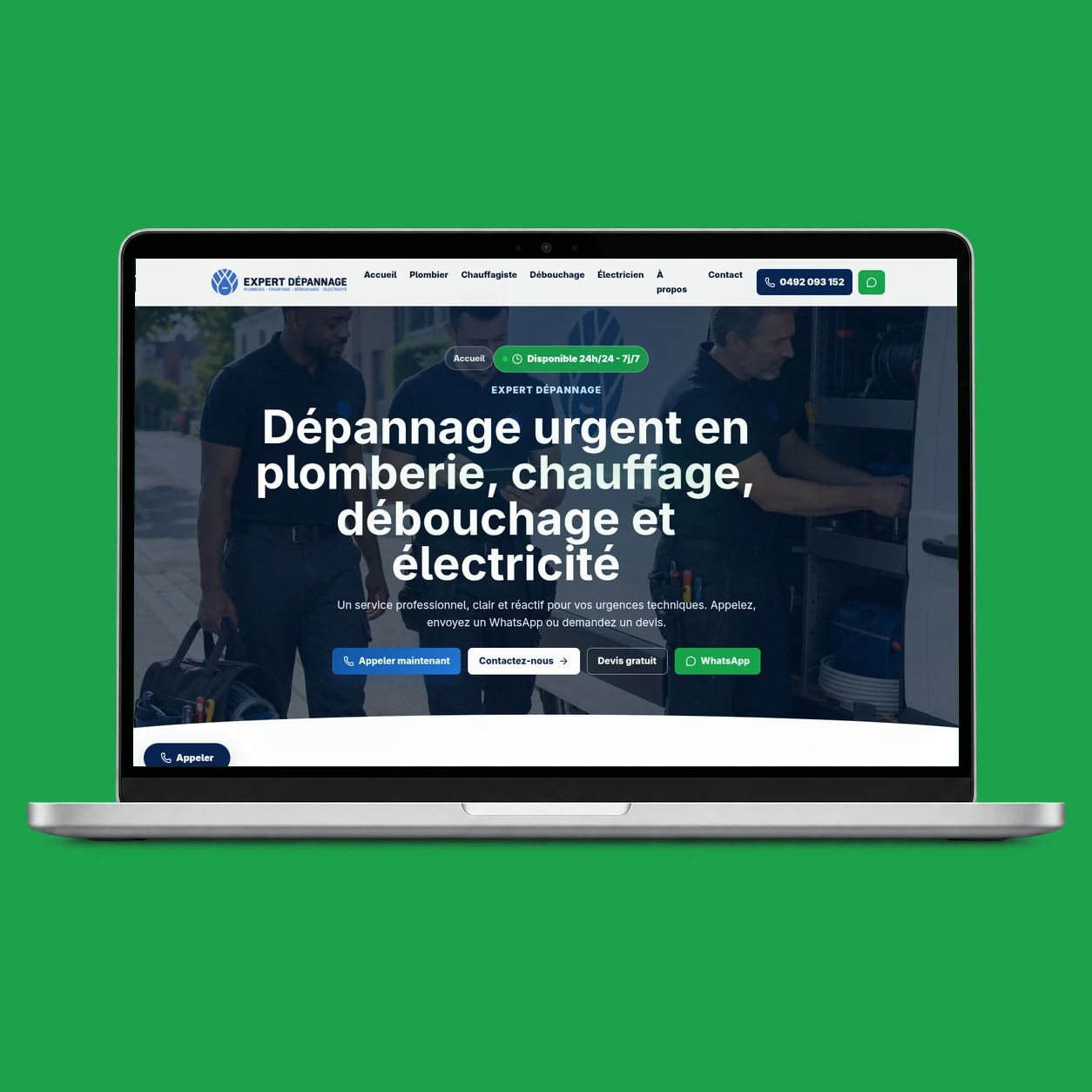
Expert Dépannage / Emergency repair / Local services
A local lead campaign connecting urgent multiservice searches with measurable telephone enquiries.
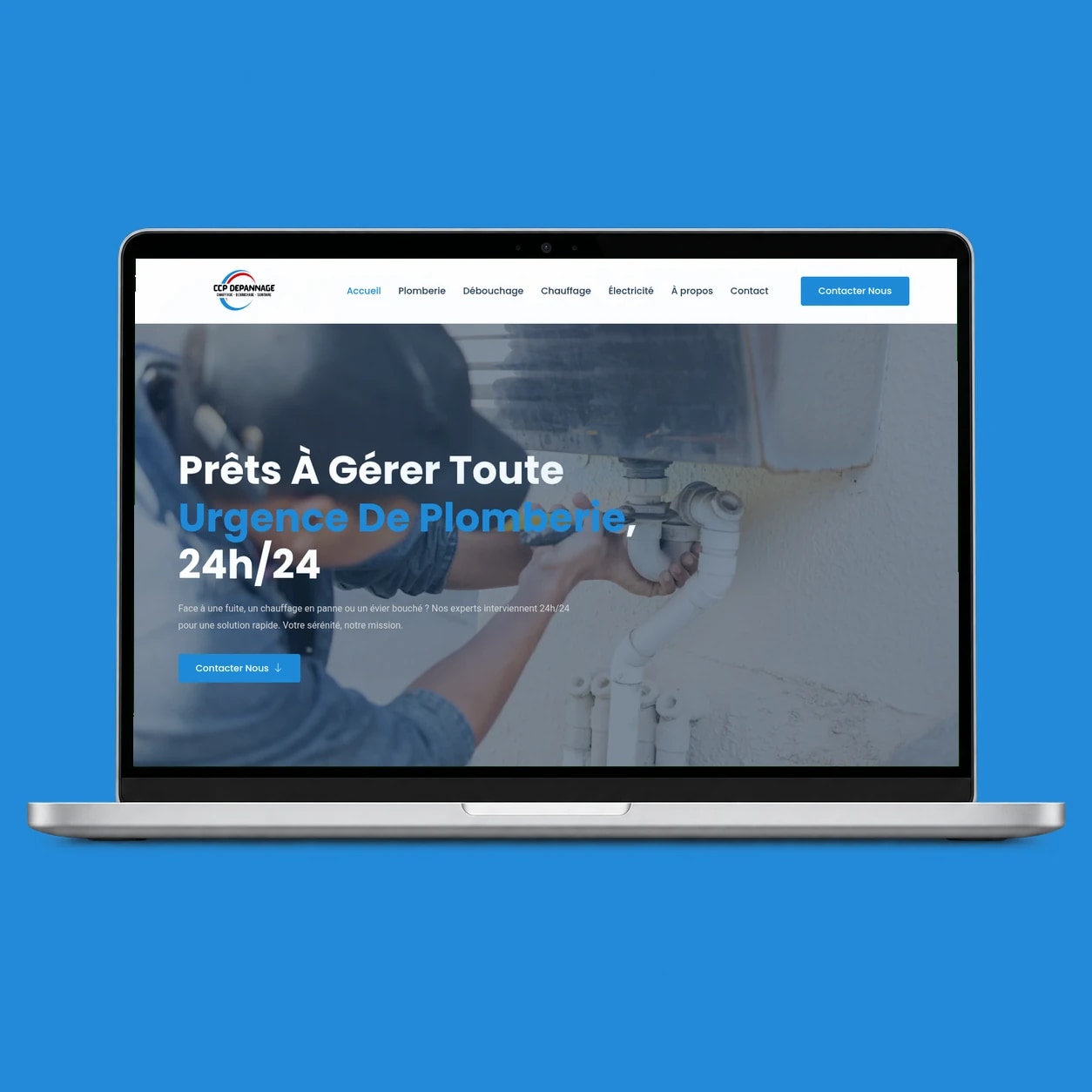
CCP Dépannage / Emergency repair / Local services
A campaign system separating plumbing, heating, and drain-clearing demand while measuring calls across the offer.

Working together
We begin with the business context, the audience, and the change you need rather than assuming a service is automatically the answer. That reveals whether this is the strongest first move, whether another dependency should come first, or whether several disciplines need to connect.
We explain that reasoning before defining the scope so the investment addresses the underlying problem rather than only its visible symptoms.
Start with Advertising
Make them look, make them choose
Tell us what needs to change, what is already in motion, and what the work needs to unlock. We will respond with a useful next step.
contact@digitalevisibilite.com